

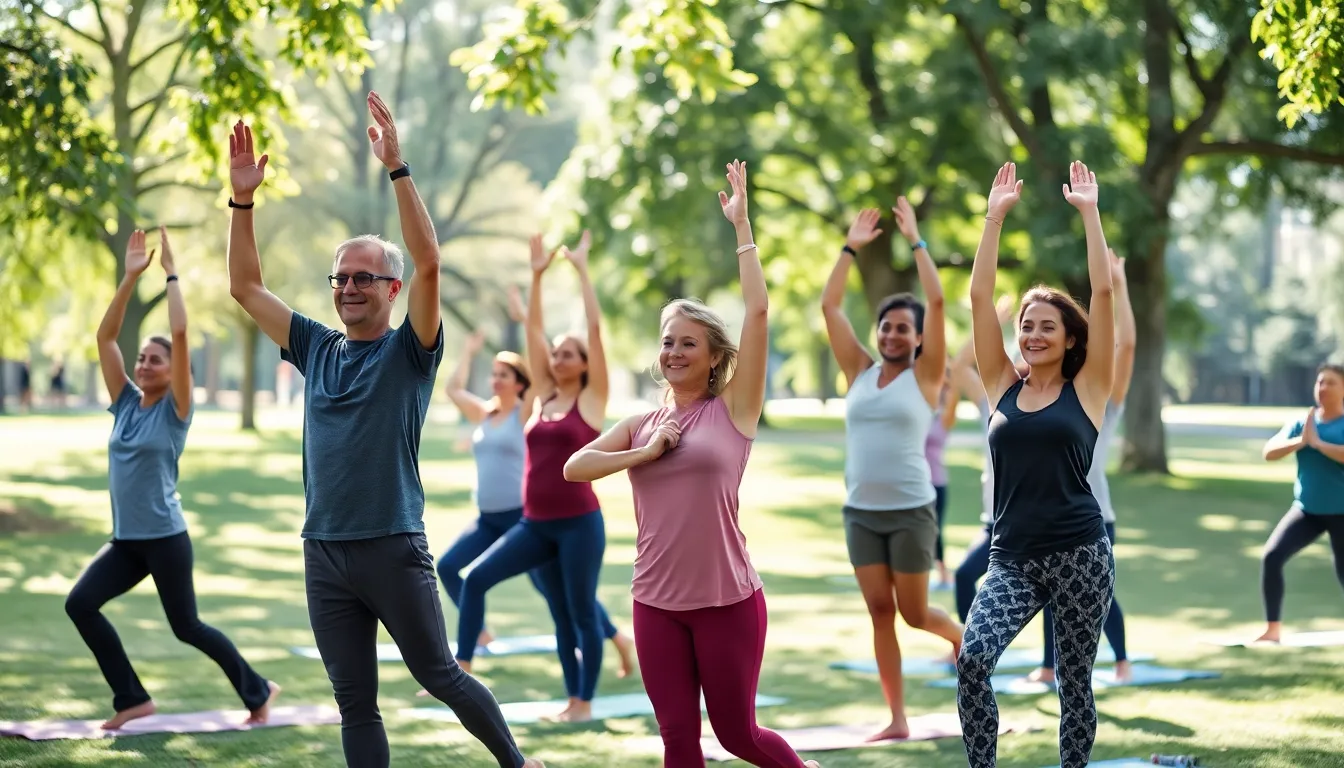
In a world where fitness trends come and go faster than a cat video can go viral, intuitive fitness practices are here to stay. Imagine a workout routine that doesn’t just involve counting reps or sweating over the latest fad diet. Instead, it invites you to listen to your body, embrace your instincts, and maybe even dance like no one’s watching—because who says burpees have to be the only way to get fit?
Intuitive fitness is all about tuning into what feels right for you, ditching the rigid rules, and finding joy in movement. It’s a refreshing approach that promises not just physical benefits but a mental boost too. So, if you’re ready to swap the gym grind for a more personalized and fun fitness journey, buckle up! This article will dive into how intuitive practices can transform your workout routine and make fitness feel less like a chore and more like a celebration.
Understanding Intuitive Fitness Practices
Intuitive fitness practices emphasize the importance of tuning into one’s body and creating a personalized approach to movement. This method encourages individuals to prioritize enjoyment and inner signals over rigid routines.
Definition and Key Principles
Intuitive fitness acknowledges that every person has unique needs and preferences. It centers on listening to body cues, which guide individuals in choosing activities that resonate with them. Flexibility defines this practice, allowing exploration of various movement types. Prioritizing enjoyment promotes consistency and motivation in an exercise routine. Rather than following external pressures, intuitive fitness cultivates self-awareness and supports physical and emotional well-being.
Benefits of Intuitive Fitness
Embracing intuitive fitness offers numerous advantages. Improvements in overall mental health occur when individuals engage in exercise that brings them joy. Reduced stress levels emerge as movement becomes a liberating experience rather than a chore. Increased body confidence results from fostering a positive relationship with physical activity. Enhanced physical fitness benefits manifest through consistent movement, as individuals are more likely to engage in activities they genuinely enjoy. Ultimately, intuitive fitness leads to sustainable lifestyle habits supporting lifelong wellness.
Popular Intuitive Fitness Practices
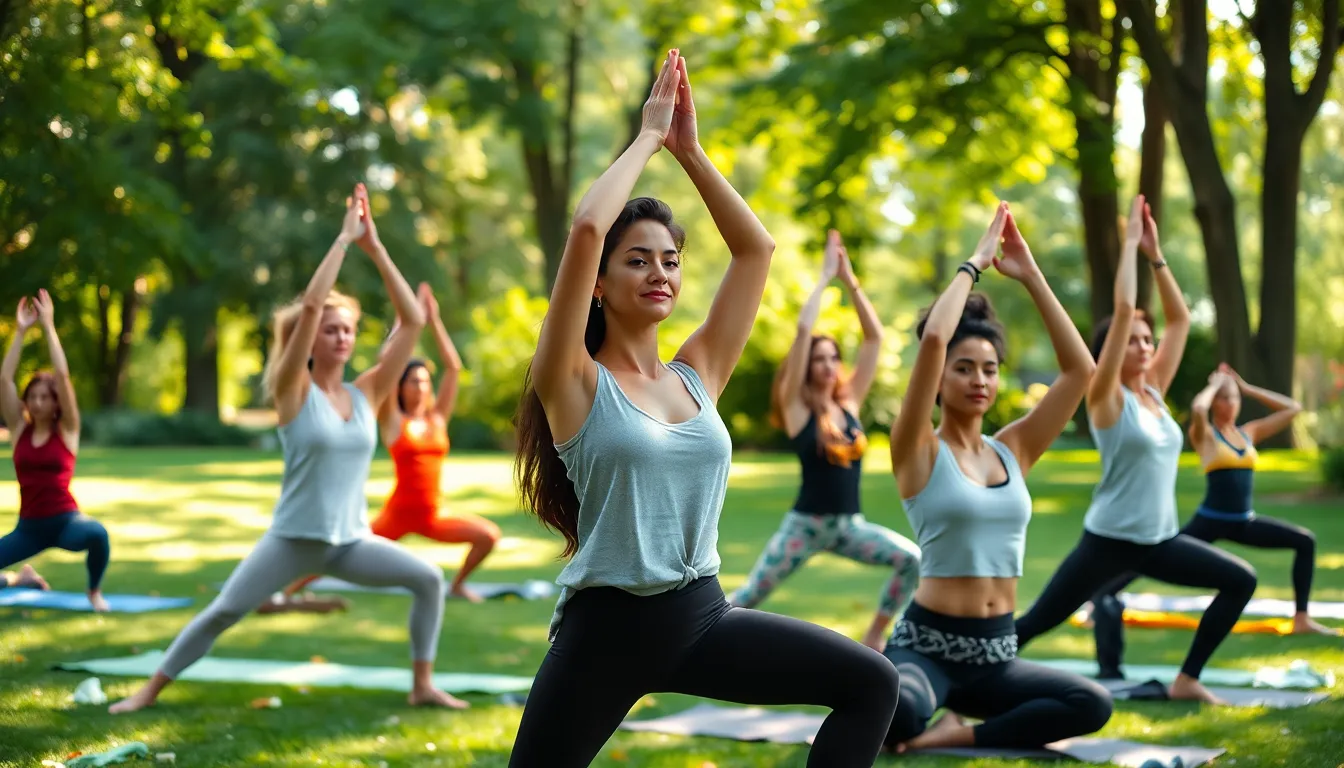
Individuals interested in intuitive fitness often engage in practices that prioritize body awareness and enjoyment of movement. Two notable methods include mindful movement and intuitive eating.
Mindful Movement
Mindful movement focuses on connecting body and mind during physical activity. Practitioners pay close attention to sensations and emotions, creating a deeper awareness of each movement. Yoga and tai chi exemplify this practice, encouraging individuals to embrace their current state. Researchers indicate that mindful movement can enhance physical performance and mental clarity. Participants in these activities often report reduced stress levels and heightened body confidence. This approach emphasizes flexibility in the type of movement chosen, allowing for personal expression and enjoyment over strict routines.
Intuitive Eating
Intuitive eating encourages individuals to listen to their hunger and fullness cues. It promotes a healthy relationship with food by fostering awareness of emotional triggers and cravings. Adherents reject restrictive diets, focusing instead on satisfying their nutritional needs without guilt. This practice aligns with the notion that food choices should bring joy and nourishment. Studies reveal that intuitive eating can lead to improved body image and reduced disordered eating patterns. Practicing intuitive eating often results in more balanced meals, as individuals learn to celebrate different flavors and textures.
How to Implement Intuitive Fitness Practices
Implementing intuitive fitness practices involves a deep commitment to self-awareness and flexibility in movement choices.
Listening to Your Body
Listening to body signals serves as a foundational aspect of intuitive fitness. Awareness of hunger, fatigue, and energy levels guides exercise choices. Individuals benefit by tuning into physical sensations. Practices like checking in with breath during workouts enhance this connection. Feelings of discomfort or joy provide essential insights into what activities suit individuals best. Stronger body awareness fosters trust in one’s instincts. Engaging in this practice leads to more fulfilling and enjoyable movement experiences.
Setting Realistic Goals
Setting realistic goals enhances the journey toward intuitive fitness. Goals should focus on personal enjoyment rather than external pressures. Achievable targets help individuals remain motivated. Small, incremental milestones make the process enjoyable. These goals should reflect personal preferences and lifestyle rather than generic benchmarks. Individuals can celebrate progress, encouraging a sustainable approach to fitness. Reflecting on success fuels self-confidence, making it easier to adapt, evolve, and embrace changes along the way.
Challenges and Misconceptions
Intuitive fitness practices face obstacles and myths that can hinder their acceptance. Recognizing and addressing these challenges enhances understanding and promotes effective implementation.
Overcoming Common Obstacles
Many individuals encounter a lack of body awareness, struggling to recognize their cues effectively. Others may feel overwhelmed by societal expectations, leading to doubt about their fitness journey. Adopting flexibility in fitness routines presents another challenge, as commitment to traditional methods often prevails. It’s essential to cultivate self-compassion and patience in this process. Building confidence in individual choices fosters resilience against external pressures, allowing for a more enjoyable experience with movement.
Debunking Myths
Misconceptions often surround intuitive fitness, such as the belief that it lacks structure or discipline. In actuality, intuitive fitness encourages a personalized approach that values inner signals. Some assume that embracing intuitive practices means abandoning goals entirely. Setting realistic, enjoyment-focused goals is possible within this framework. Another myth suggests that only certain activities qualify as fitness. Any joyful movement contributes to overall health, whether it’s dancing, hiking, or yoga. Dispelling these myths supports a broader acceptance of intuitive fitness practices.
Embracing intuitive fitness practices can lead to a more fulfilling and sustainable approach to health and wellness. By prioritizing body awareness and personal enjoyment, individuals can break free from the constraints of traditional fitness norms. This journey fosters a deeper connection between mind and body while promoting self-compassion and flexibility.
As people explore various intuitive practices like mindful movement and intuitive eating, they discover the joy of listening to their bodies. This not only enhances physical fitness but also nurtures mental well-being. Ultimately, adopting intuitive fitness can transform one’s relationship with movement and nutrition, paving the way for a balanced and joyful lifestyle.

