

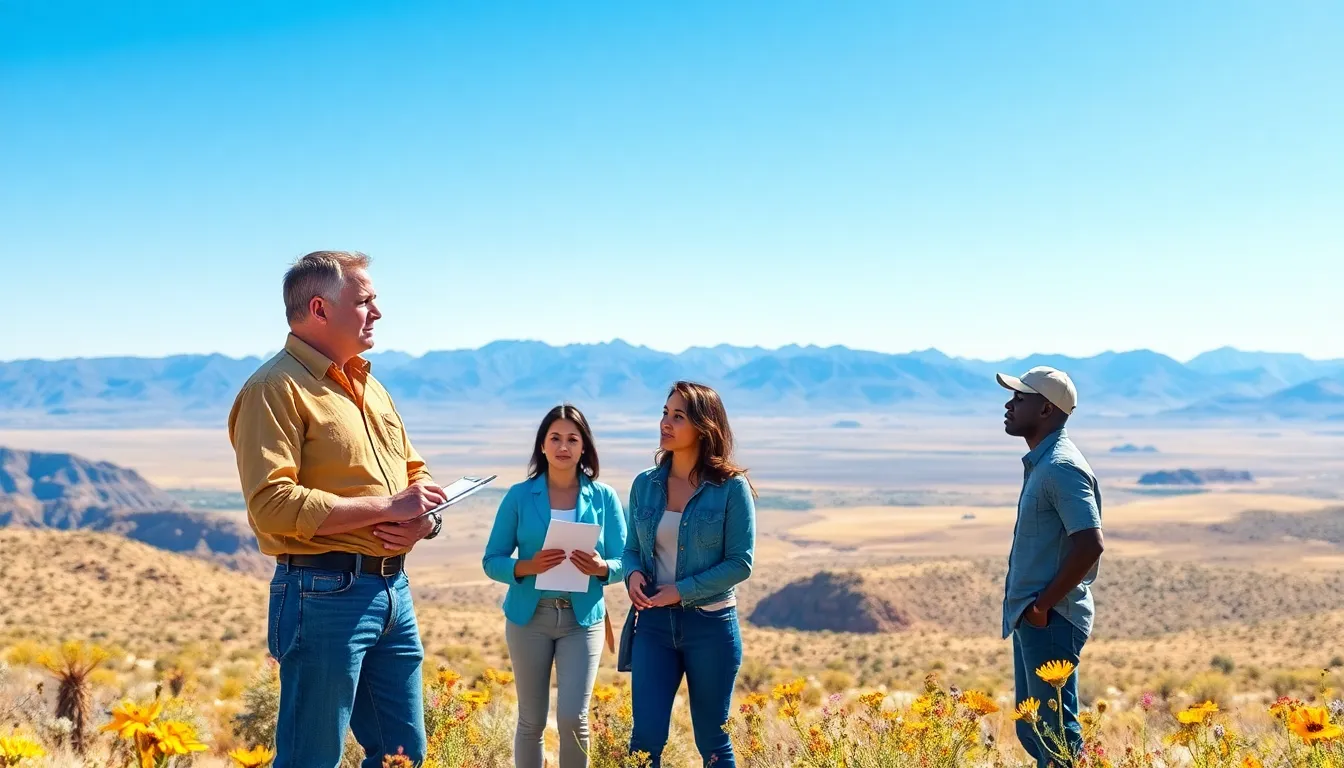
In the wild west of America, where the tumbleweeds roll and the sun shines brighter than a neon sign in Vegas, Nevada and Utah are stepping into the spotlight with their federal lands sales. Imagine vast stretches of land waiting for the right buyer to turn them into something spectacular. Whether it’s a dream ranch or a quirky theme park, the possibilities are as endless as the desert sky.
Overview of Federal Lands Sales in Nevada and Utah
Federal lands sales in Nevada and Utah offer unique opportunities for a variety of projects. These sales provide potential buyers access to distinctive landscapes that can be transformed into ranches, resorts, or recreational spaces.
Significance of Federal Lands
Federal lands play a crucial role in economic development. They represent immense areas, covering millions of acres in both Nevada and Utah. Investors view these lands as prime locations for residential, commercial, and recreational developments. Additionally, they contribute to local economies through job creation and increased tourism. Protecting these landscapes also maintains their ecological significance. Many of these areas feature unique ecosystems that require preservation while ensuring responsible use.
Key Players in Federal Lands Sales
Several key players involve federal lands sales in Nevada and Utah. The Bureau of Land Management oversees the transaction process. Interested buyers often consist of real estate developers, conservationists, and private investors. Local governments may participate to facilitate zoning permits and support infrastructure improvements. Non-profit organizations sometimes engage to advocate for sustainable development. These stakeholders shape the landscape of future projects, influencing how lands are utilized for generations.
Recent Trends in Nevada and Utah Federal Lands Sales
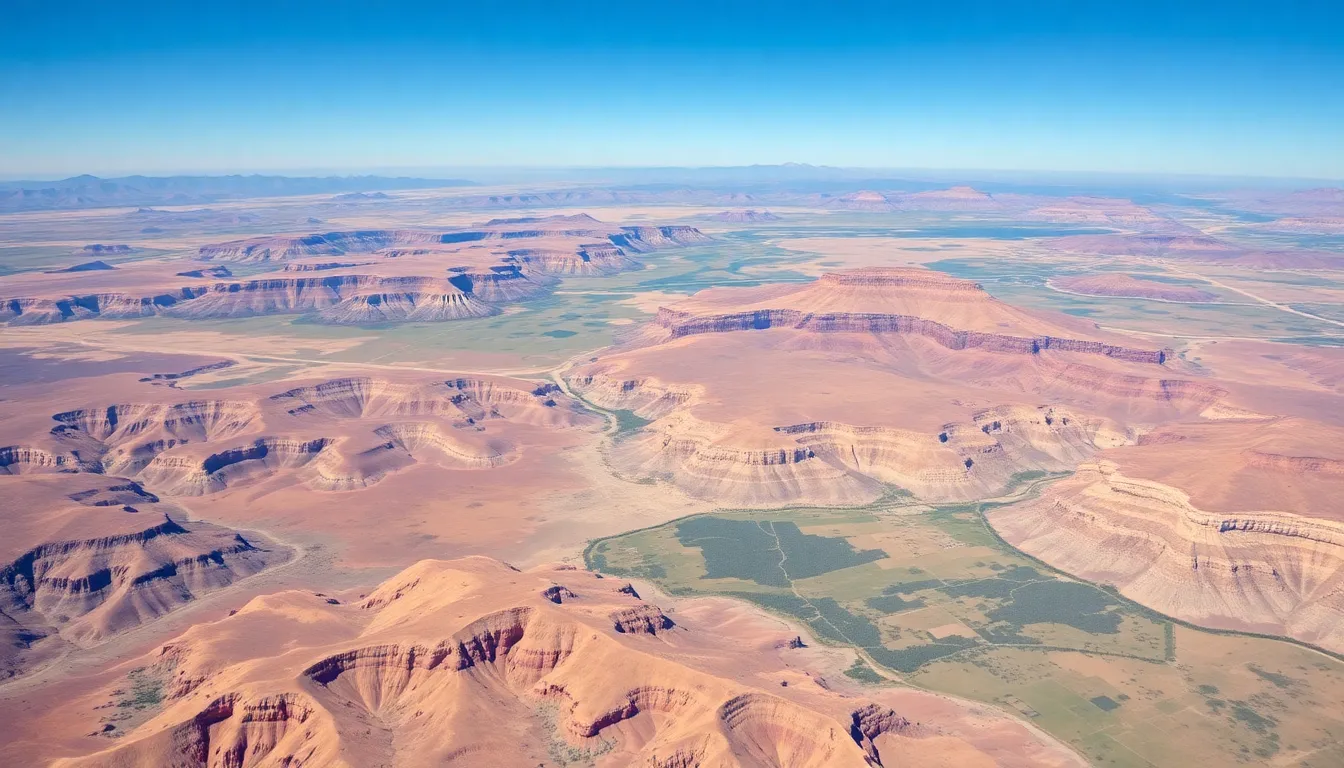
Federal lands sales in Nevada and Utah have seen notable shifts recently, reflecting broader economic and environmental considerations.
Historical Context
Federal lands sales in these states date back decades, shaped significantly by government policies and land use patterns. The Bureau of Land Management established regulations to promote responsible land management. In past years, economic booms and busts influenced land prices and buyer interest. Government initiatives aimed at enhancing access and finding buyers contributed to evolving market dynamics. Over time, conservation efforts and sustainability concerns began playing a crucial role in shaping these sales, leading to the protection of sensitive ecosystems.
Current Market Trends
Current trends show heightened interest in federal lands in Nevada and Utah, influenced by growing populations and economic development. Investors and developers increasingly eye these parcels of land for potential residential and commercial projects. Prices have risen due to demand, particularly in key areas experiencing rapid growth. Sustainable practices are more prominent in proposals, with many buyers advocating for eco-friendly developments. The advent of remote work also drives interest in recreational properties, with buyers seeking outdoor lifestyles.
Impact on Local Communities
Federal land sales in Nevada and Utah significantly affect local communities, both economically and environmentally.
Economic Benefits
Job creation emerges as a primary economic benefit from federal land sales. Developers invest in projects that transform undeveloped areas into residential and commercial hubs. Increased construction activity generates employment opportunities for local residents, boosting income levels. Tourists flock to new recreational spaces, benefiting businesses in nearby towns. Property taxes from these developments provide much-needed revenue for local governments, enabling enhanced public services. Rising property values also elevate community wealth, leading to upgraded infrastructure and amenities.
Environmental Concerns
Environmental concerns frequently arise alongside federal land sales. Unique ecosystems inhabit these federal lands, necessitating careful planning to minimize ecological damage. Developers face pressure to incorporate sustainable practices into their projects, balancing growth with environmental preservation. Wildlife habitats risk disruption as land is cleared for development, leading to potential loss of biodiversity. Additionally, increased human activity raises concerns regarding soil erosion, water quality, and pollution. Engaging conservationists in the planning process can help mitigate these impacts while guiding responsible development.
Legal Considerations
Understanding the legal landscape of federal lands sales in Nevada and Utah involves navigating complex regulations and policies. Clear compliance with federal regulations ensures successful transactions and responsible use of land.
Federal Regulations
Federal regulations play a crucial role in governing land sales. The Bureau of Land Management oversees these transactions, setting guidelines for the sale process. Specific laws dictate land eligibility, pricing structures, and required documentation. Environmental assessments often accompany sales, ensuring that ecological impacts are evaluated. Compliance with the National Environmental Policy Act, which mandates public involvement, fosters transparency. Buyers must be aware of restrictions that safeguard natural resources and cultural sites. Engaging legal experts can streamline the process and mitigate potential risks.
State-Level Implications
State-level implications significantly influence federal land sales dynamics. Each state in the region possesses unique regulations guiding land use, zoning, and environmental protection. Local governments may impose additional restrictions, affecting development prospects. For instance, Nevada and Utah may have specific requirements for water rights and access to infrastructure. Buyers need to research local ordinances to ensure proposed projects align with community standards. Involving state regulatory bodies early in the process can facilitate smoother transactions. Understanding the interplay between federal and state laws remains essential for successful land acquisition and development.
Future Outlook for Federal Lands Sales
Federal lands sales in Nevada and Utah present various opportunities and challenges for potential buyers. The landscape holds immense promise for developments that cater to growing communities and tourism needs.
Potential Developments
Residential projects are likely to flourish, addressing the demand from those seeking housing in these picturesque locations. Recreational facilities such as parks, trails, and adventure hubs can attract outdoor enthusiasts. Unique attractions like theme parks or resorts may emerge, leveraging the stunning scenery. Investors could also explore eco-tourism opportunities that embrace environmental sustainability. Collaboration between developers and local governments can ensure these initiatives meet community needs and enhance regional appeal.
Challenges Ahead
Environmental concerns pose significant challenges for future developments. Unique ecosystems require careful planning to avoid detrimental impacts on flora and fauna. Compliance with federal regulations complicates the acquisition process, as buyers must navigate various laws and guidelines. Local ordinances can introduce additional complexities, making thorough research essential. Engaging conservationists in the process can help balance growth with preservation efforts, providing a smoother pathway for development. Developers might face rising community expectations for sustainable practices, urging them to innovate responsibly within these beautiful landscapes.
The landscape of federal lands sales in Nevada and Utah presents a unique blend of opportunity and responsibility. As buyers explore these vast terrains for potential development, they must remain mindful of the ecological implications and community needs. Engaging with local governments and conservationists will be essential in fostering sustainable growth that honors the rich ecosystems present.
With rising interest in recreational properties and the demand for housing, the future of these lands holds promise. However, balancing economic development with environmental stewardship will be crucial for successful projects. The path forward requires collaboration and innovation to ensure that these beautiful landscapes are preserved for generations while also meeting the evolving needs of communities.

