


In a world where self-care often means binge-watching the latest series with a tub of ice cream, it’s time to shake things up—literally. Self-nurture through fitness isn’t just about sweating it out in the gym; it’s about embracing a healthier lifestyle that makes both body and mind sing. Picture this: instead of feeling guilty about those extra calories, you’re strutting your stuff with confidence, fueled by endorphins and a newfound love for movement.
Fitness can be the ultimate act of self-love, transforming the mundane into the extraordinary. Whether it’s yoga that makes you feel like a zen master or a dance class that turns you into a disco diva, there’s something for everyone. So why not trade in that couch potato status for a vibrant, energetic version of yourself? Self-nurture through fitness isn’t just a trend; it’s a fabulous journey waiting to be explored.
Understanding Self-Nurture Through Fitness
Self-nurture embodies activities that promote overall well-being. Fitness plays a crucial role in this process, enhancing both physical and mental health.
What Is Self-Nurture?
Self-nurture refers to taking deliberate actions that foster personal well-being. Individuals engage in activities like mindfulness, exercise, and creative outlets to improve their mental and physical states. Such practices reinforce self-respect and validation. Most importantly, nurturing oneself allows for better emotional regulation and resilience against stress. Recognizing personal needs and prioritizing self-care form a vital part of maintaining balance in life.
The Role of Fitness in Self-Care
Fitness serves as a foundational element of self-care. Engaging in physical activities promotes the release of endorphins, which improve mood and reduce anxiety. Activities like yoga, running, and group classes foster community and support. Incorporating fitness routines also develops discipline and boosts self-esteem. As individuals embrace a consistent exercise regimen, they cultivate healthier habits and establish a positive relationship with their bodies. Ultimately, prioritizing fitness contributes significantly to overall self-nurture.
Benefits of Self-Nurture Through Fitness
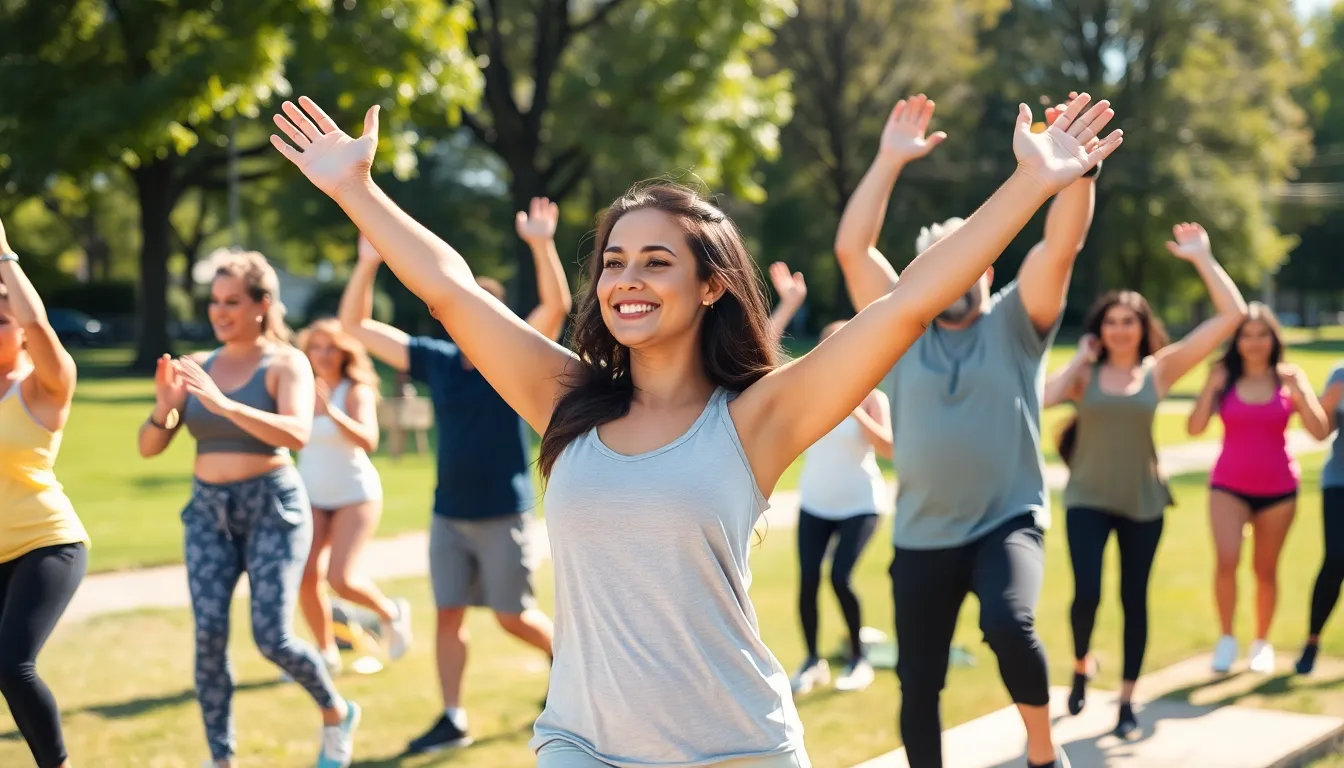
Self-nurture through fitness provides numerous advantages for both physical and mental well-being. These benefits contribute to a balanced and vibrant lifestyle.
Physical Health Improvements
Engaging in regular physical activity boosts cardiovascular health, increasing heart efficiency. Strengthening muscles and improving flexibility enhances overall body performance. Weight management becomes more manageable with consistent exercise, supporting a healthier body composition. Enhanced immunity arises from regular workouts, reducing the risk of chronic diseases. Consistency in fitness routines also promotes better sleep quality, leading to increased energy levels.
Mental Health Enhancements
Regular exercise plays a crucial role in elevating mood through the release of endorphins. Combatting stress becomes easier as physical activity allows for effective emotional regulation. Improved concentration and cognitive function result from engaging in fitness, positively impacting daily tasks. Building social connections through group activities enhances feelings of belonging and support. Lastly, developing discipline in fitness routines translates into increased confidence, positively affecting self-image.
Types of Fitness Activities for Self-Nurture
Various fitness activities contribute to self-nurture, enhancing both physical and mental health.
Cardiovascular Exercises
Cardiovascular exercises elevate heart rate, promoting cardiovascular health. Activities such as running, cycling, or swimming improve stamina and endurance. These exercises also stimulate endorphin production, which uplifts mood and alleviates anxiety. Group classes, like Zumba or spin, offer social interaction, reinforcing community bonds. Regular engagement in cardio workouts strengthens the heart and lungs, aids in weight management, and boosts overall energy levels. It’s essential to incorporate at least 150 minutes of moderate aerobic activity weekly to reap these benefits.
Strength Training
Strength training focuses on muscle building and toning. Using weights, resistance bands, or body weight enhances muscle strength and boosts metabolism. This activity fosters discipline and increases confidence through personal achievement. Many choose to engage in strength training two to three times a week for optimal results. Improved muscle strength supports daily activities and enhances functional fitness. Additionally, resistance training often leads to better bone density, which is vital as one ages. Always prioritize proper form to prevent injury and maximize gains.
Mind-Body Practices
Mind-body practices integrate physical movement with mental focus. Yoga, Pilates, and tai chi enhance flexibility while promoting relaxation. Participants often report increased mindfulness and diminished stress levels. Engaging in these activities cultivates emotional resilience and mental clarity. Classes provide an opportunity to connect with others, fostering a sense of community and shared experience. Prioritizing at least one session each week contributes significantly to overall well-being, nurturing the mind and body simultaneously. Balancing breath and movement in these practices enhances self-awareness and promotes inner peace.
Creating a Self-Nurture Through Fitness Routine
Establishing a self-nurture routine through fitness involves intentional planning and engaging activities. Focus on creating a sustainable approach to health and well-being, balancing physical activity with personal enjoyment.
Setting Realistic Goals
Setting achievable fitness goals fosters motivation and accountability. Defining specific, measurable objectives makes it easier to track progress. Individuals can start with small milestones, such as exercising for 20 minutes three times a week. Gradually increasing duration and intensity prevents burnout and injury. Additionally, reassessing goals every month ensures they remain realistic and aligned with personal growth. Tracking performance also reinforces success, encouraging further commitment.
Finding Enjoyable Activities
Identifying enjoyable activities enhances adherence to a fitness routine. Exploring various options, like dancing, hiking, or swimming, creates excitement and keeps motivation high. Group activities, such as group classes or team sports, promote social connections while engaging in fitness. Trying new things fosters personal discovery, often revealing hidden passions. Ensuring that workouts are fun transforms exercise into a fulfilling experience, making self-nurture a joyful pursuit. Integrating enjoyable activities into daily life strengthens both physical and mental well-being.
Embracing fitness as a form of self-nurture can lead to profound transformations in one’s life. By prioritizing physical activity, individuals cultivate not only their bodies but also their minds. This holistic approach fosters resilience and enhances emotional well-being, making it easier to navigate life’s challenges.
Incorporating enjoyable activities into a fitness routine can ignite passion and motivation. Whether through group classes or solo workouts, the benefits extend far beyond physical health. The journey of self-nurture through fitness is an empowering path that encourages personal growth and a deeper connection to oneself. It’s time to take that first step toward a healthier, more vibrant life.

